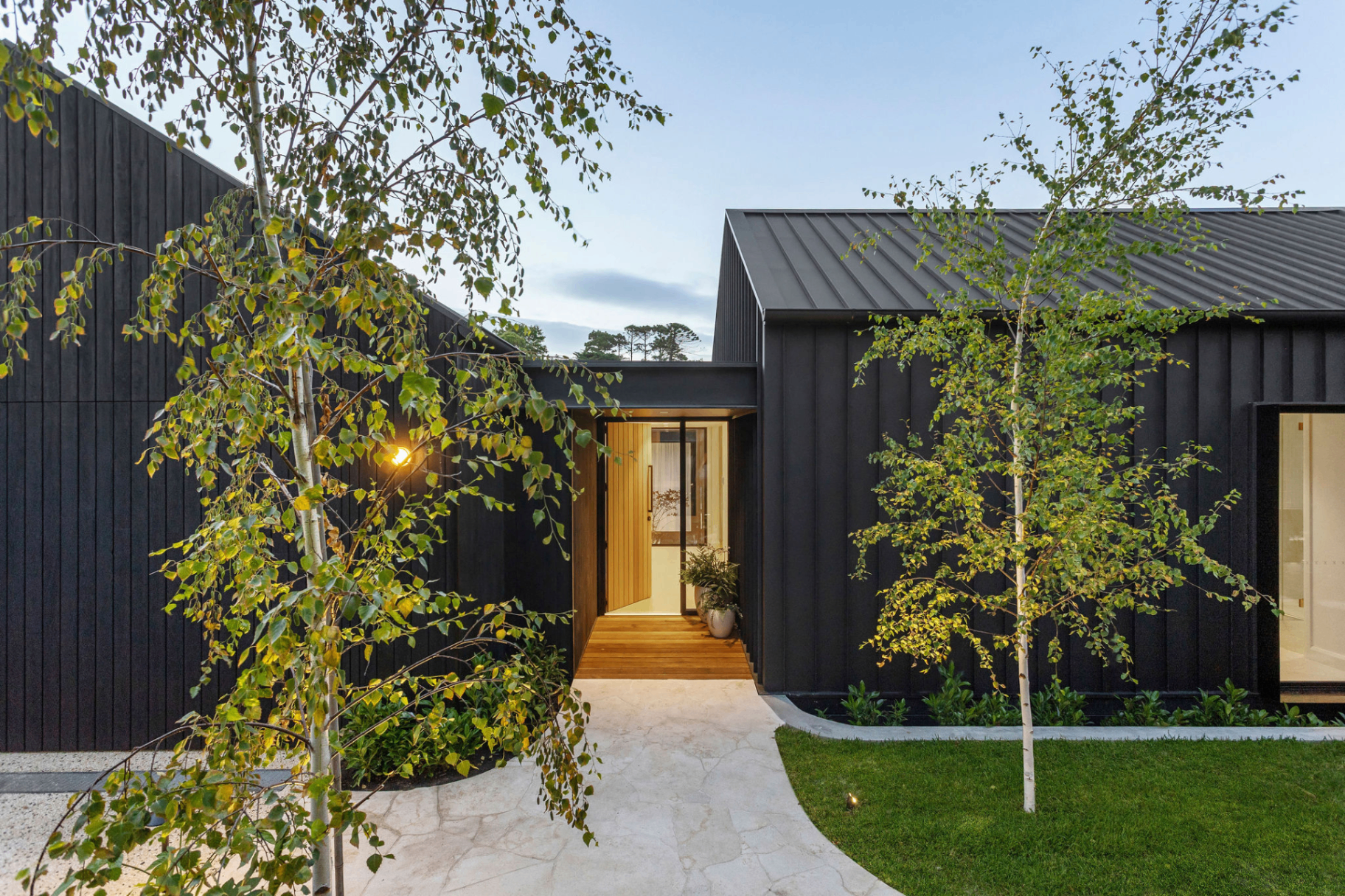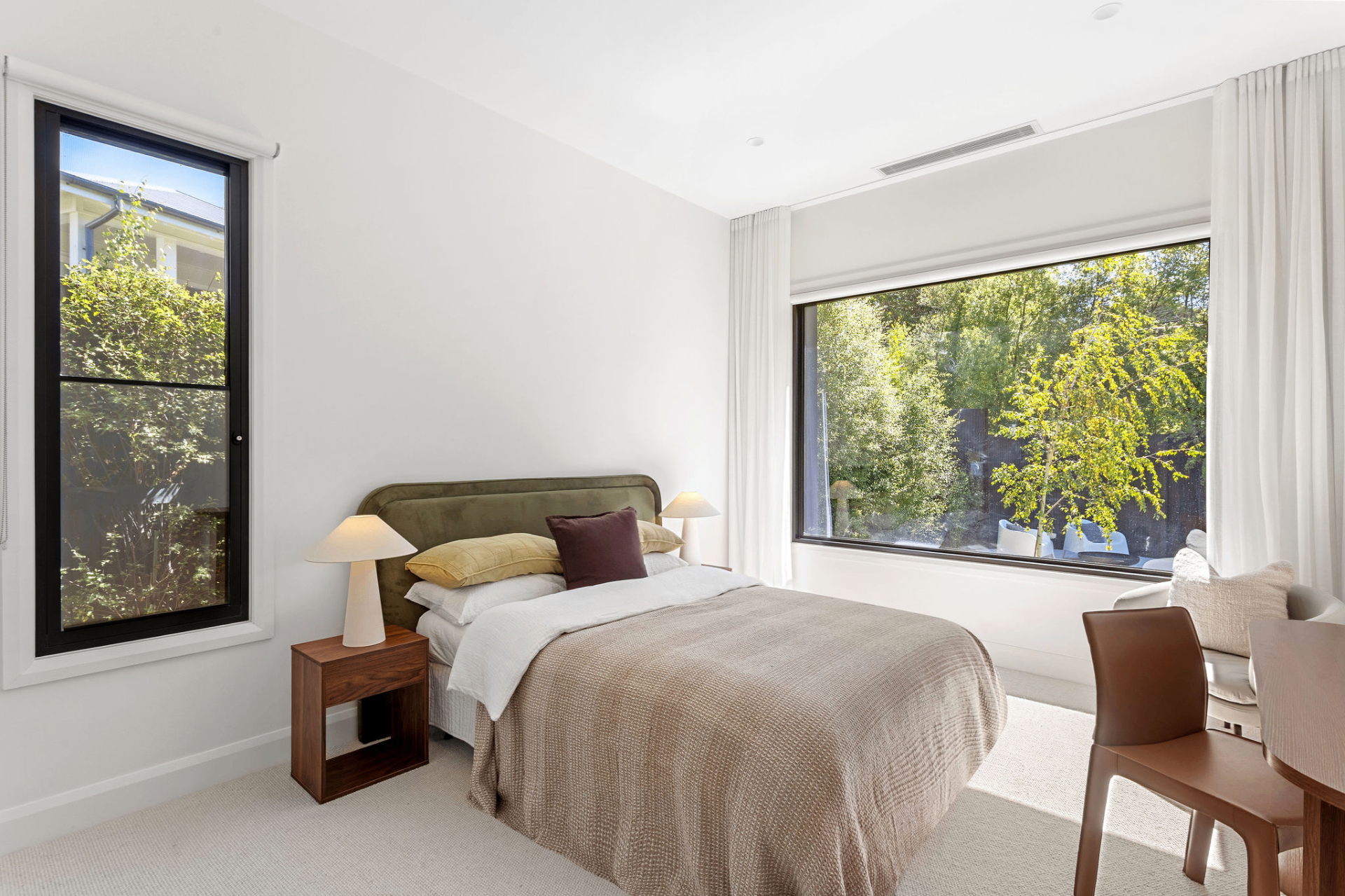
You've spoken to a friend who "did a full reno with a designer," and another who "just had someone come in and style the place." Both of them will tell you they hired an interior designer. Both are right — and they're describing two genuinely different services.
It's one of the most common points of confusion we hear from clients across the Mornington Peninsula and bayside Melbourne, so here's the honest, no-jargon version of interior styling vs. full-scope interior design.
The short version
If you already like your layout, your kitchen, your bathroom — the bones of the place are right, and you just want it to look and feel finished — that's Interior Styling & Furniture.
If you're changing the layout, knocking down walls, extending, or building new — anything that involves a builder, a draftsperson, or a town planner — that's Full-Scope Interior Design.
Most people call us before they know which one applies to them. That's exactly what the first conversation is for.
What Interior Styling & Furniture actually covers
This service is for spaces that don't need structural change — just the right pieces, sourced and put together properly.
That means furniture and lighting procurement, window treatments, soft furnishings and upholstery, and artwork curation, all drawn from our relationships with premium suppliers across Australia. We can work with a completely empty room, or integrate furniture you already own and love into a more cohesive design. Either way, the goal is the same: a space that feels considered, not collected.
What Full-Scope Interior Design actually covers
This is the service for projects where the space itself is changing — a renovation, an extension, or a new build.
It includes everything in Interior Styling & Furniture, plus the work that happens well before furniture is ever discussed: developing your personal brief, custom kitchen and bathroom design, CAD drawings and 3D renders, bespoke cabinetry and joinery, and the construction documentation that lets us translate the design accurately to your builder and trades. We work alongside town planners, draftspeople and builders throughout, so the design intent doesn't get lost between conversations.
Two ways this plays out
Picture a home in Mount Eliza with a layout the owners love — good light, a floor plan that works — but every room still feels like it belongs to the previous owner. That's a styling project: new furniture, window treatments, and artwork, built around the bones that are already right.
Now picture a home in Sorrento with a dated 1980s layout that no longer suits how the family lives, and a builder already engaged for an extension. That's full-scope: reworking the floor plan, coordinating with the build, and only bringing in furniture and styling once the new layout is locked in.
Same phrase — "interior design" — two very different projects.
How to tell which one is yours
A few quick signals:
- You're not changing walls, plumbing, or layout, and you just need the space furnished and finished — that's styling.
- You're renovating, extending, or building from scratch — that's full-scope.
- You already have a floor plan you're happy with — that's styling.
- You're still working out how the space should actually function — that's full-scope.
- You want help sourcing and specifying furniture only — that's styling.
- You need someone coordinating the design vision across builders, trades and consultants — that's full-scope.
Why it's worth getting right from the start
Guessing wrong here is a genuinely expensive mistake in either direction. Engaging a full design team for a project that only needed styling means paying for scope you don't need. Going styling-only on a project that actually involves structural change means missing the planning decisions that are cheap to adjust on paper and expensive to change once a builder is on site.
The coastal factor
Whether you're in Mornington, Mount Eliza, further down the Peninsula in Sorrento and Portsea, or bayside in Brighton, coastal living has its own quiet demands. Sea air, humidity and strong natural light affect which fabrics, timbers and finishes actually hold up over time — regardless of whether the walls are moving. It's one of the reasons local design knowledge matters as much for a styling-only project as it does for a full renovation.
What happens next
This is exactly why every project — styling or full-scope — starts the same way: with an Initial Design Call with our Lead Designer. From there, we typically recommend an On-Site Design & Planning Review, where we walk through your space and your goals in person. By the end of that session, you'll know which of the two services suits your project, backed by a tailored proposal — not a guess.
Still weighing it up? Our FAQ page covers more of the questions we hear most often.